
knowledge, ways and actual conviction underneath Mauricio Pochettino

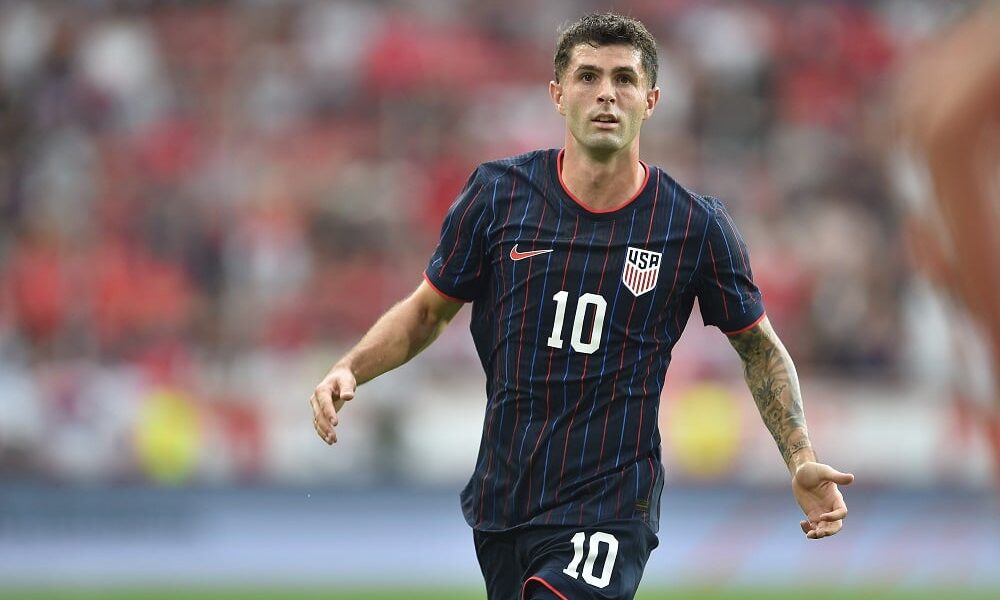
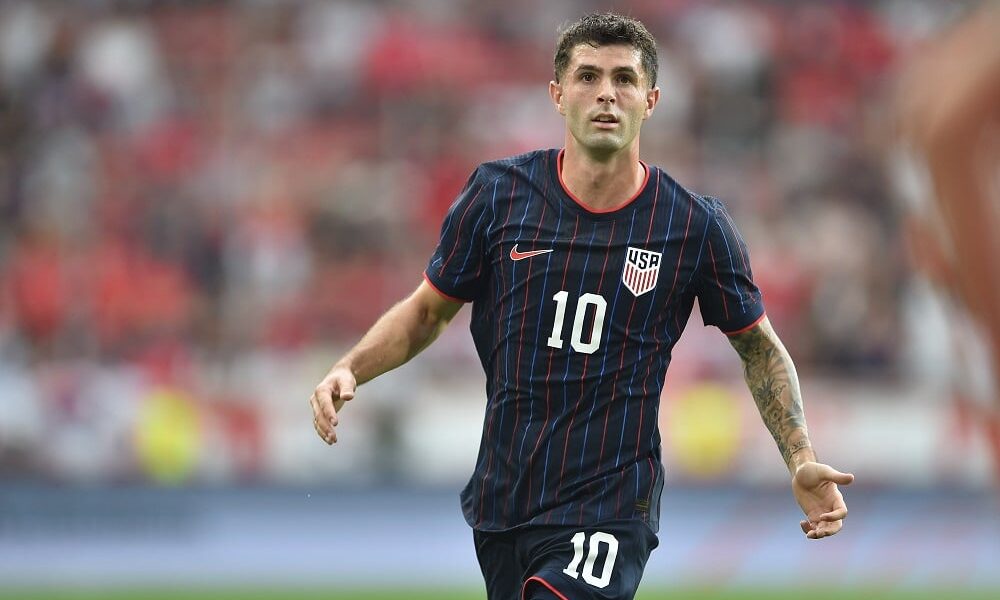
When the US takes the sphere as World Cup co-host in 2026, the dialog is not going to solely be about symbolism, infrastructure or fan tradition. Will probably be about soccer substance. And underneath Mauricio Pochettino, that substance is starting to point out a transparent identification: tactical construction, outlined roles, and statistical affirmation that this crew is extra mature, extra aggressive and extra aggressive than the 2022 model.
It’s simple to get misplaced in speculative “finest XI” debates, however in the event you join Pochettino’s ideas with exhausting match knowledge from current worldwide fixtures, a concrete image emerges. The USMNT is trending towards a 3-4-3 that displays each squad assets and efficiency logic: a stable base, wing-back dynamism, a dual-engine midfield, and an attacking trident able to deciding video games. Studying this sort of detailed tactical and statistical breakdown permits the reader to wager extra precisely on this crew’s performances, understanding developments relatively than counting on instinct — and, the place legally accessible, even benefiting from a promotional choice resembling bet365 bonus code iowa. What makes this credible just isn’t solely the names. It’s how the numbers inform the identical story.

A again three as a result of the proof helps it
Sporting Information and different respected projections place Pochettino’s most popular construction as a 3-4-3, with Chris Richards central within the again three, Tim Ream offering management, and one between Mark McKenzie or Miles Robinson finishing the unit. This isn’t tactical trend; it’s danger management knowledgeable by actuality.
Throughout their newest aggressive cycle, the USMNT has conceded 1.2 objectives per match, a determine that locations them within the “manageable vulnerability” class relatively than defensive weak point. Nevertheless, the place it will get fascinating is the distribution:
– 0.9 objectives conceded in first halves vs 0.3 in second halves.
The crew begins video games with moments of publicity however grows into management as construction settles. Pochettino’s philosophy—compact first line, progressive buildup, secure 1v1 defenders—is supposed precisely for this.
Information from their matches exhibits that solely 10% clear sheets have been recorded, however this hides the truth that they not often collapse. The best quantity conceded in a match was 2, and 90% of video games nonetheless went “over 0.5 conceded,” which means opponents often rating however don’t dominate. A again three helps remodel these single concessions into recoverable eventualities relatively than destabilizing ones.
The Adams–McKennie axis: tactical backbone, not advertising and marketing narrative
Midfield is the place elite event soccer is received. And right here, the US lastly appears like a grown crew relatively than a promising mission. Tyler Adams continues to be the defensive metronome, the primary display screen in entrance of the protection, the defensive reference in transitions. Weston McKennie enhances him with quantity, urgent intelligence and vertical vitality.
The numbers again it:
– The US nationwide crew averages 56% possession, which means they’re not reactive by default.
– They generate round 13 photographs per match, with a 15% conversion charge.
– Their xG sits at roughly 1.43 per match, aligning nearly completely with their actual output of 1.9 objectives scored per recreation.
This isn’t luck. It’s system.
Wing-backs: the place the hazard lives
If there’s one space the place Pochettino’s crew might turn into USMNT’s historic “signature,” it’s the wing-backs. Sergiño Dest on the suitable and Antonee Robinson on the left will not be merely quick vast gamers—they’re structural pillars.
Robinson has turn into one of the vital constant vast defenders in Europe. Dest, when bodily accessible, provides creativity from deep, dribbling lanes and progressive passing. In a 3-4-3, they perform not as defenders who assault, however as attackers who defend. And the scoring sample proves their affect.
The USMNT scores 1.9 objectives per match, however what issues is timing:
– 1.2 objectives per match in first halves
– 0.7 in second halves
The opening 45 minutes are the place US nationwide crew establishes superiority, stretches opponents and punish defensive hesitations. That aligns completely with wing-backs pushing excessive earlier than match rhythm stabilizes.
Nevertheless, this similar dynamic explains why the crew concedes early. Taking a look at objective timing stats:
Targets conceded by intervals
– 11’–20’: 33%
– 41’–50’: 17%
– 71’–80’: 25%
Once they push too aggressively early or reset rhythm after halftime, house seems. Pochettino’s job is not going to be reinventing philosophy—it will likely be sprucing danger administration.
Assault: not hype, actual productiveness
The entrance three appears nearly undisputed:
Christian Pulisic left.
Tim Weah proper.
Folarin Balogun central.
This assault just isn’t about potential anymore. It’s about manufacturing.
USMNT is:
– Scoring in 90% of matches.
– Scoring over 1.5 objectives in 70% of video games.
– And fascinatingly, recording Each Groups to Rating in 80% of fixtures.
That final quantity is critical. It suggests the US doesn’t win by suffocating opponents; it wins by outpacing them. Event soccer typically rewards groups that may endure and strike again relatively than sterile possession retailers.
Balogun is vital as a result of he provides the crew one thing traditionally absent: a striker who scores going through elite defenders, not solely CONCACAF defenses. Pulisic isn’t just “the star”—he’s at present an elite European attacker carrying kind. Weah provides tactical intelligence and vertical stretching.
Behind them, Gio Reyna, Malik Tillman, Haji Wright, Pepi, Aaronson create depth and aggressive pressure that merely didn’t exist in previous World Cup cycles.
Proof of maturity: profitable second halves
Maybe probably the most underrated dataset from current fixtures is that this:
– First-half factors per recreation: 1.40
– Second-half factors per recreation: 2.00
That’s the hallmark of a event crew.
The US is bettering in-game, adapting, staying bodily sturdy late and shutting matches effectively. That is the place teaching issues most. Pochettino sides traditionally develop stronger as matches progress. The numbers already present that sample rising.
Defensive danger vs offensive reward: the philosophical steadiness
With 3.1 whole match objectives on common in USMNT fixtures, these will not be sterile video games. They’re managed chaos.
– Over 2.5 objectives hits 70% of the time.
– Solely 20% of matches keep underneath 2.5.
– “Over 3.5” nonetheless lands 20%, proving the crew belongs to high-event soccer.
For analysts, this means two truths:
- USMNT just isn’t a purely pragmatic, defensive World Cup crew.
- Nevertheless it additionally isn’t reckless—as a result of they win most of these open matches.
They’re a aspect that lives inside rhythm swings however trusts its high quality to prevail.
The place the uncertainty stays
The middle-back rotation just isn’t totally settled. One damage to the incorrect participant reshapes all the things. Goalkeeper choice continues to be a dwell debate: Matt Freese rising, Matt Turner questioned, Schulte evolving. And whereas competitors at striker is wholesome, World Cups punish inefficiency mercilessly. Balogun should not solely play effectively—he should resolve matches.
Lastly, projecting two years forward calls for warning. Soccer evolves brutally quick. Kind, transfers, accidents, and tactical changes will form the ultimate roster.
However the core fact holds
For those who strip the narrative and look solely at efficiency indicators, you see a crew:
– With superb total kind (2.00 PPG)
– Able to scoring persistently
– Structurally aggressive
– Statistically aligned with sturdy event profiles
– Maturing psychologically
Pochettino has inherited not only a proficient era however a statistically coherent basis. The USMNT just isn’t going into 2026 hoping to shock. It’s getting in anticipating to compete.
And for maybe the primary time ever, the numbers agree.







Responses